

"Mom, can this box hold Dad's medals?" Little daughter Alice asked, holding a cookie box with snap fasteners made of ammunition casings. Catherine stroked her daughter's soft curly hair and recalled the Utility Furniture Scheme implemented by the War Supplies Department during the war. Those standardized furniture made of cardboard and plywood were simple yet maintained the dignity of countless families. She inscribed a few words on the inside of the cookie box: "Order is the rose that blooms in the midst of war."
At the Millennium Design Week in London, Alice's granddaughter Lily stood in a glass studio on the south bank of the Thames River. Her fingertips glided over the recycled polyester fiber surface of the SKUBB storage box, and the pale purple folds resembled the linen tablecloth at her great-grandmother's market stall. "Why not use stainless steel?" the investor questioned. Lily opened the EcoStorage® sample cabinet of TRINITY, and the metal grid refracted a rainbow under natural light: "My grandmother used airplane wreckage as buttons during World War II. Now we use recycled cans to make drawers."
At the Millennium Design Week in London, Alice's granddaughter Lily stood in a glass studio on the south bank of the Thames River. Her fingertips glided over the recycled polyester fiber surface of the SKUBB storage box, and the pale purple folds resembled the linen tablecloth at her great-grandmother's market stall. "Why not use stainless steel?" the investor questioned. Lily opened the EcoStorage® sample cabinet of TRINITY, and the metal grid refracted a rainbow under natural light: "My grandmother used airplane wreckage as buttons during World War II. Now we use recycled cans to make drawers."
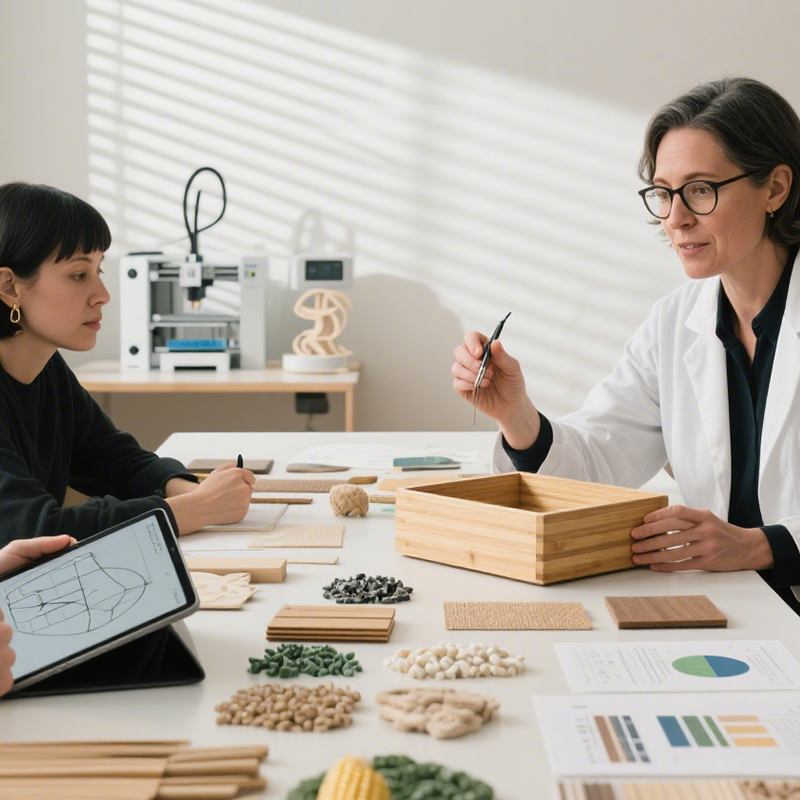
The sunlight of the Victorian era streamed through the glass dome of the market, dancing on the silver hair at Elizabeth's temples. Fifty years later, her daughter Catherine was sewing storage bags in a rural air-raid shelter in Devon, using military canvas from World War II. Before her husband left for the Royal Air Force, he left her half a jar of aluminum buttons. Catherine sewed these buttons onto the mouth of the canvas bag, and the cold light they gave off resembled the porthole of her husband's aircraft cockpit. When the neighbors were arguing over the limited plywood, Catherine made bread boxes with partitions using cardboard and glue, teaching the whole village how to use old jam jars to separate sugar.
"Mom, can this box hold Dad's medals?" Little daughter Alice asked, holding a cookie box with a clip made of shell casings. Catherine stroked her daughter's soft curly hair and recalled the Utility Furniture Scheme implemented by the War Materials Department during the war. Those standardized furniture made of cardboard and plywood, though simple, maintained the dignity of countless families. She inscribed a few words on the inside of the cookie box: "Order is the rose that blooms in the midst of war."
"Mom, can this box hold Dad's medals?" Little daughter Alice asked, holding a cookie box with a clip made of shell casings. Catherine stroked her daughter's soft curly hair and recalled the Utility Furniture Scheme implemented by the War Materials Department during the war. Those standardized furniture made of cardboard and plywood, though simple, maintained the dignity of countless families. She inscribed a few words on the inside of the cookie box: "Order is the rose that blooms in the midst of war."
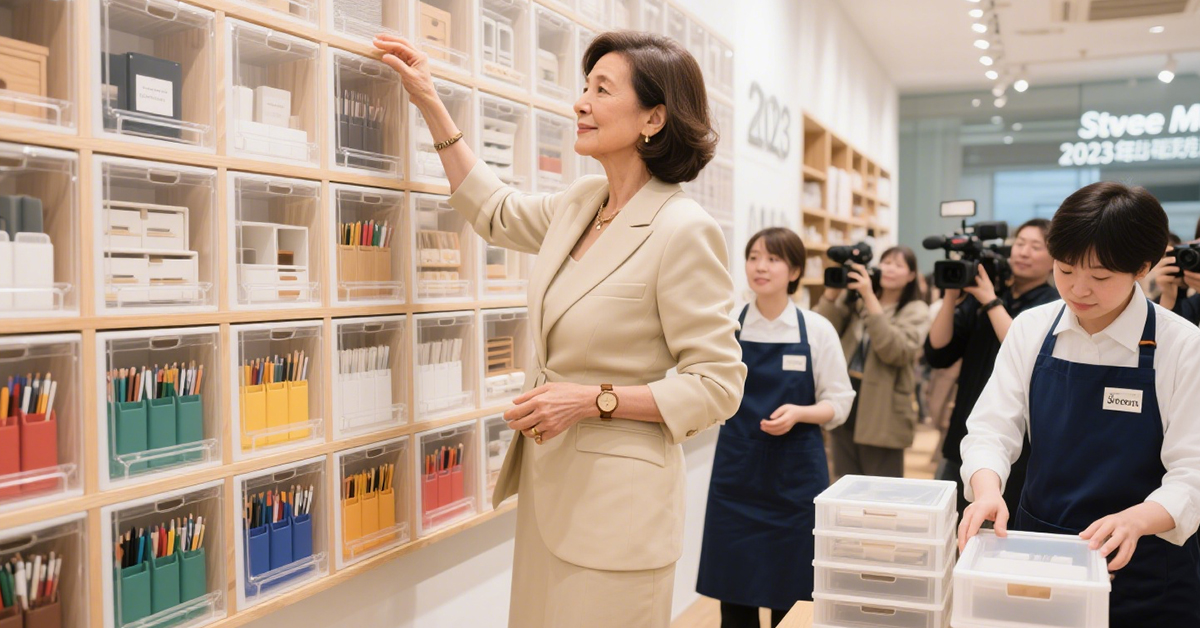
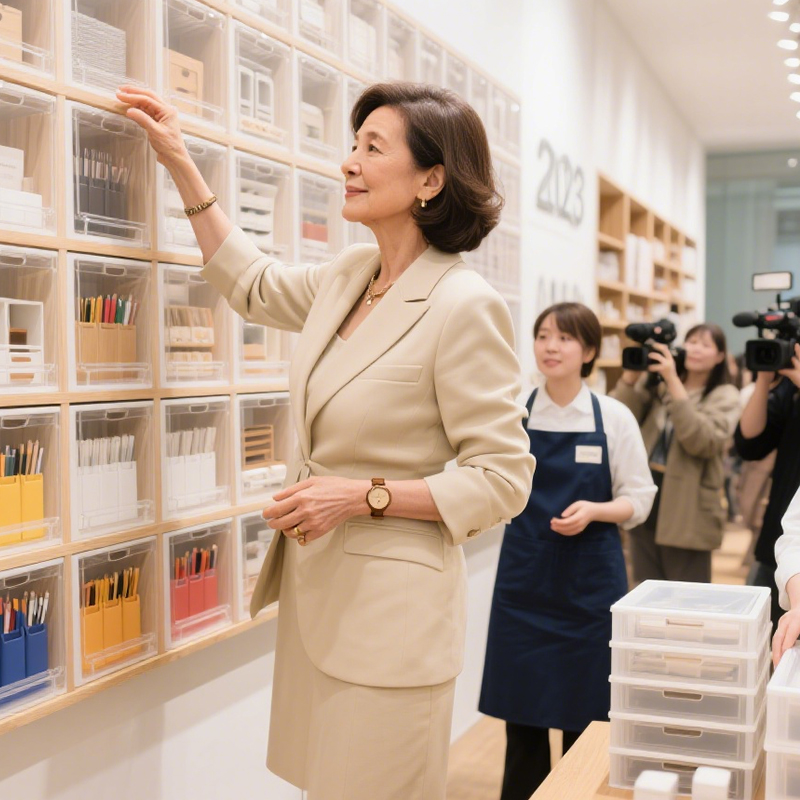
In the corner of the studio, the mule chest of the great-grandmother stood quietly, with the copper clasps having oxidized into a dark green color. Lily placed the latest design of the modular storage system blueprint in the hidden compartment, next to which was a note written by her grandmother during the war: "When the world falls into chaos, at least keep the drawers in order." This family brand that has been passed down for four generations, from the cedar chests of the Victorian era to the carbon-neutral space aluminum wardrobes, always believes that storage is not the confinement of objects, but rather leaves breathing space for life.
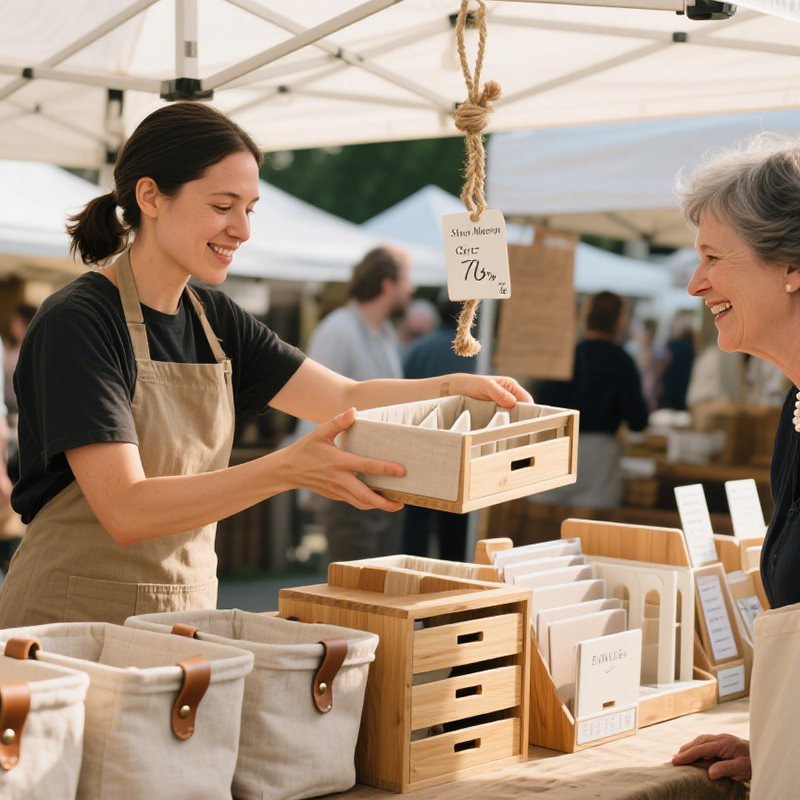
Every weekend, Lily takes her daughter to the vintage market in Leadenhall Market. The little girl squats under the Victorian-style iron archway, using a 3D printing pen to transform an old cookie box. The sunlight passes through the wrought iron carvings, coating her hair with a golden sheen, much like her great-great-grandmother's morning at the Covent Garden market. When the mother and daughter give the renovated cookie box to the old antique seller, the LED lights on the inside of the box turn on, illuminating the new sentence Lily has engraved: "Storage is the amber of time, making every ordinary moment shine brightly." In the twilight of the Thames River, Lily stands in front of the studio's floor-to-ceiling window, watching the London Eye slowly rotate across the opposite bank. She knows that in the display room downstairs, that folding wardrobe that won the Red Dot Award always has three things hidden in its drawers: her great-grandmother's copper key, her grandmother's aluminum button, and the storage box that her daughter made with the 3D printing pen for the first time - this is a conversation spanning three centuries within a family, and a life philosophy that a nation has always adhered to in the midst of turmoil and prosperity.